
Abstract
The increasingly complex landscape of academic resources necessitates innovative allocation methods to optimize their use. This research delves into the utilization of machine learning algorithms to revolutionize the distribution of academic resources, ensuring equity, efficiency, and maximum impact. By implementing advanced predictive models, educational institutions can better understand and anticipate resource needs, allocating them strategically to enhance educational outcomes and research productivity.
Technical Methodology
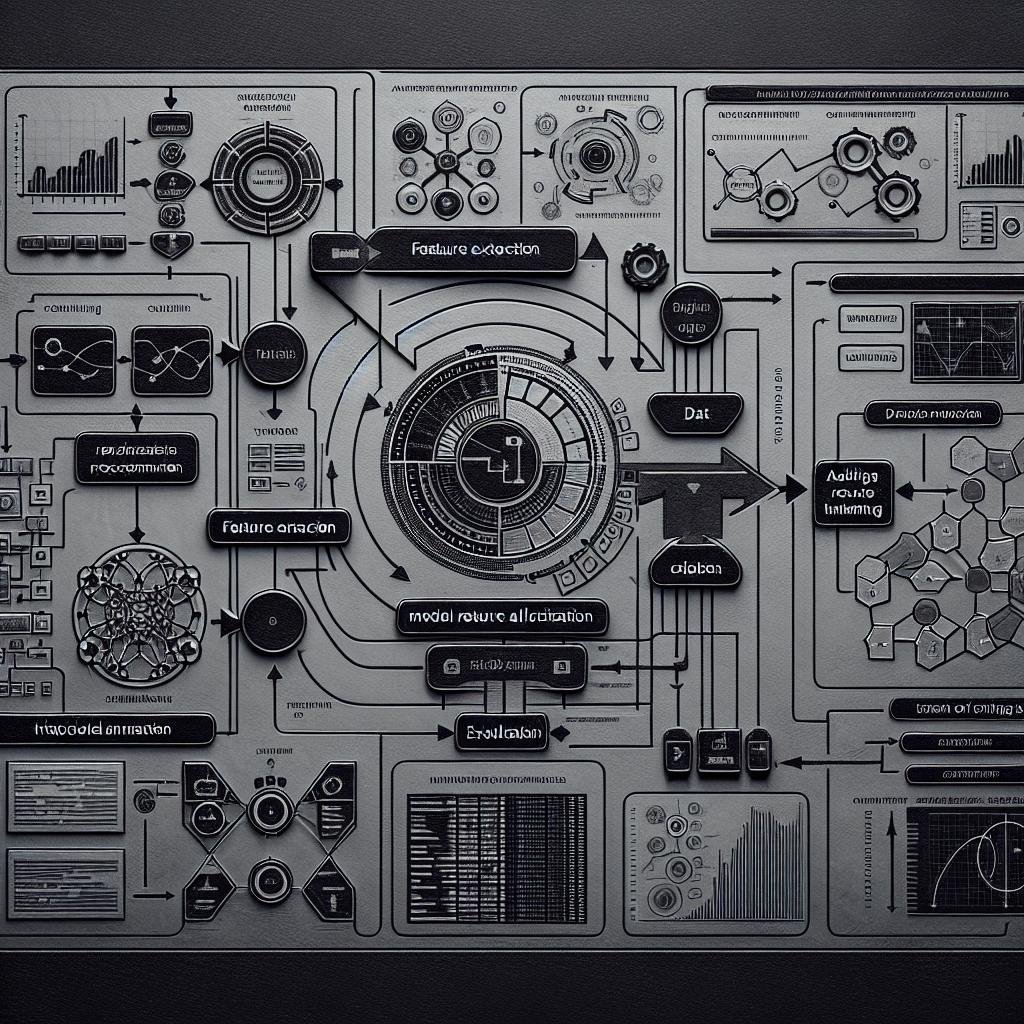
This research employs a layered approach to incorporate machine learning into the academic resource allocation process. Initially, a comprehensive dataset comprising historical resource allocation records, enrollment statistics, faculty research interests, and departmental performance metrics is gathered. Through exploratory data analysis, key attributes influencing resource demand are identified.
The next step involves selecting and training machine learning models to predict future resource needs. Algorithms such as gradient boosting, random forests, and neural networks are trained on the extracted features. These models are evaluated based on precision, recall, and F1-score to ensure robust predictions. The process employs cross-validation techniques to validate the model’s efficacy, thus minimizing overfitting.
Furthermore, the models are integrated into a dynamic resource management system, designed to automate the allocation process while allowing manual interventions when necessary. This system incorporates real-time analytics to adapt to changes in academic priorities or sudden shifts in resource demand.
Throughout this process, ethical considerations and data privacy are prioritized, ensuring that the deployment of such technologies aligns with institutional values and regulatory requirements.
Future Trajectory
Looking forward, the adoption of machine learning-mediated resource allocation is projected to grow, driven by ongoing advancements in artificial intelligence and data analytics. Future research will aim to enhance the accuracy and adaptability of predictive models by integrating real-time data streams from various academic administrative systems.
Additionally, expanding the dataset to include more diverse educational institutions worldwide will enable models to learn from a broader spectrum of academic settings, thereby improving their generalizability and robustness. Institutions may also explore integrating these systems with broader institutional management frameworks, enabling a holistic view of resource management that aligns with strategic objectives.
Furthermore, this research envisions the development of a collaborative platform allowing institutions to share insights and best practices, further refining resource allocation strategies through community-driven improvements and innovations.