
Abstract
In the evolving landscape of cyber-physical systems, there is a growing need for architectures that can adapt to dynamic environments autonomously. This research explores an innovative approach to developing adaptive system architectures that can manage complex interactions between physical components and computational systems in real-time. By leveraging machine learning algorithms, these systems can process large data sets, react to environmental changes, and optimize performance without human intervention. This capability is critical in the advancement of smart cities, autonomous vehicles, and intelligent manufacturing.
Technical Methodology
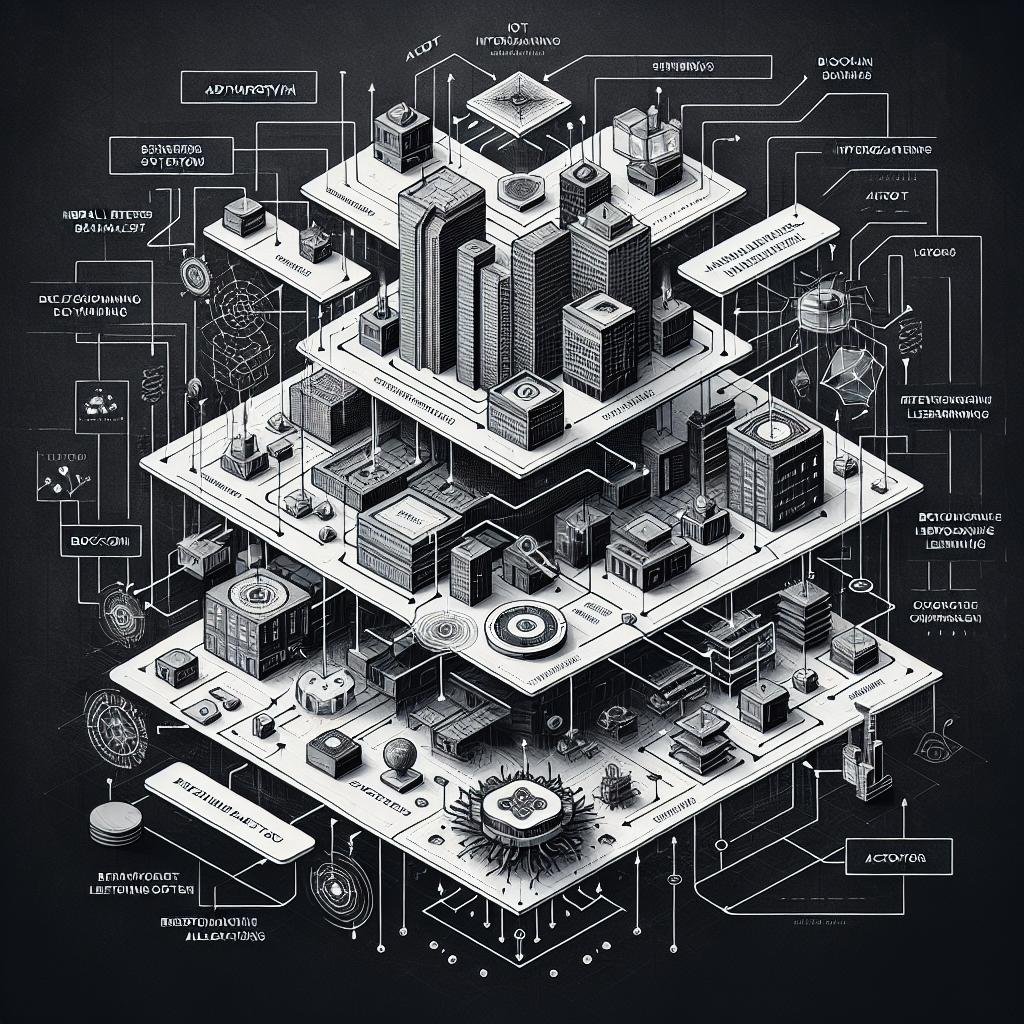
Our approach involves the integration of hybrid adaptive models that incorporate decentralized control strategies and real-time data analytics. We employ a tiered architecture composed of sensing, processing, and action layers. The sensing layer uses Internet of Things (IoT) devices to collect data. The processing layer is powered by a neural network-based decision engine that continuously evaluates this data. The action layer implements decisions through actuators, ensuring seamless interaction within the cyber-physical environment.
To address the challenges of scalability and reliability, we apply a blockchain-based distributed ledger system. This ledger records all transaction data among system components, enabling transparency and auditability. Furthermore, we implement a reinforcement learning framework to enhance system adaptability, facilitating real-time learning from environmental changes and consistently refining control policies.
Future Trajectory
Looking forward, the future of adaptive system architectures is poised for significant advancements. The integration of quantum computing could dramatically enhance processing capabilities, enabling more sophisticated simulations and predictions. Additionally, further research into bio-inspired algorithms offers promising pathways for developing systems that mimic natural adaptive processes, thus increasing resilience and efficiency.
Collaboration across domains will be essential to drive innovation. Integration with developments in materials science could yield new sensor technologies with heightened sensitivity and robustness. Furthermore, the ethical implications of autonomous systems will become increasingly pertinent, necessitating comprehensive frameworks to address privacy, security, and regulatory considerations.
Ultimately, the progressive refinement and deployment of these adaptive systems will revolutionize industries and transform societal infrastructures, paving the way for a sustainable and interconnected future.