
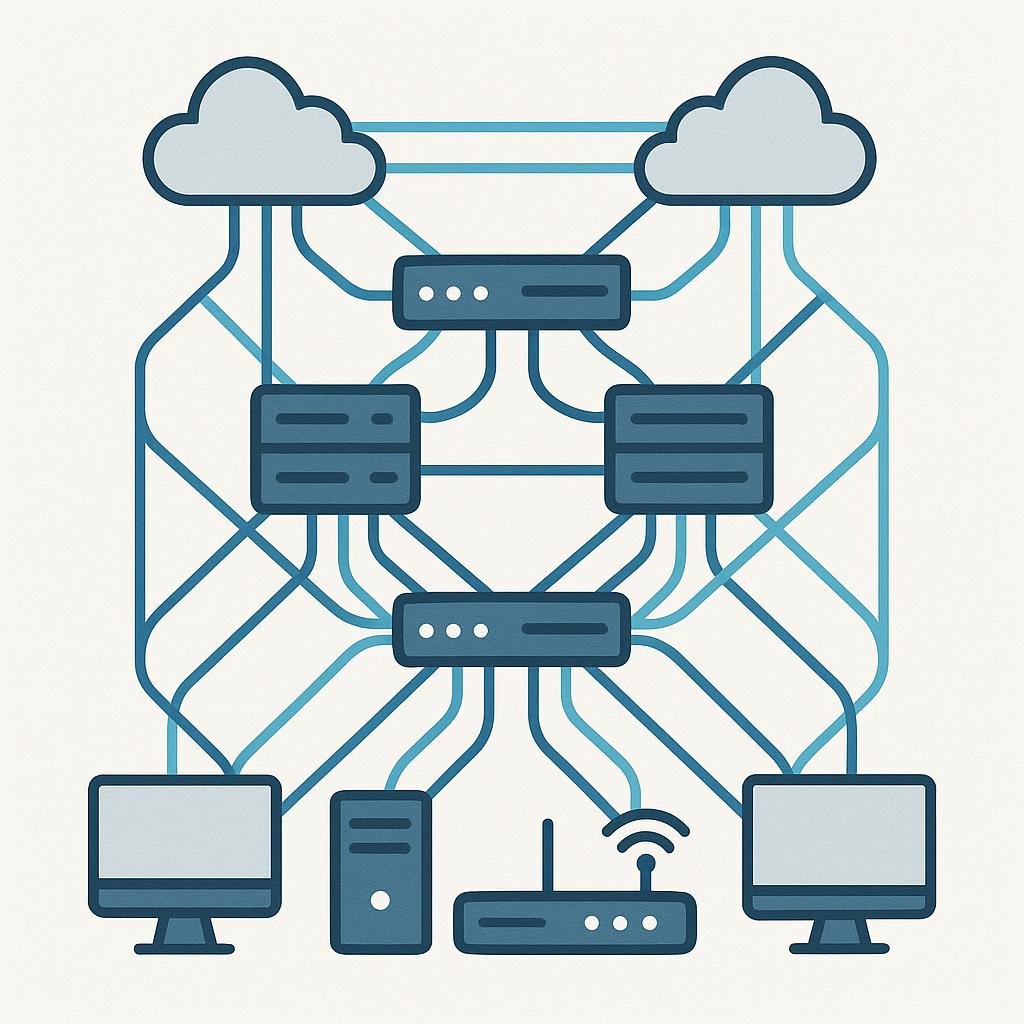
Imagine a world where every digital hiccup could cause chaos in your daily life. That’s the world you’d face without fault-tolerant systems. Whether you’re streaming your favorite show or processing critical business data, understanding how to design a fault-tolerant system is crucial for seamless operations. Let’s dive into the key principles that make these systems reliable.
What Is Fault Tolerance?
Fault tolerance is the ability of a system to continue operating without interruption when one or more of its components fail. It’s about designing systems that can handle failures gracefully and maintain service availability. Think of it as a safety net that ensures your business processes or personal tasks are not disrupted by unexpected glitches.
Key Principles of Fault-Tolerant Design
Designing a fault-tolerant system involves several principles that guide engineers to create resilient and reliable infrastructures. These principles not only ensure uptime but also protect data integrity and customer satisfaction.
Redundancy
Redundancy is the backbone of fault tolerance. By duplicating critical components, systems can switch to backups when a failure occurs. For instance, consider the multiple power supplies in a data center. If one fails, the others ensure continuous power. This principle applies to data storage as well, where RAID configurations use multiple disks to prevent data loss.
Failover Mechanisms
Failover mechanisms automatically redirect traffic or workloads from a failed component to a standby component. This process ensures minimal disruption. For example, in cloud computing, applications can be redistributed to other servers if one goes offline, ensuring continuous service for users.
Graceful Degradation
Instead of a complete shutdown, systems can degrade gracefully, providing limited functionality when a component fails. A classic example is a web application that might disable non-essential features to keep critical services running during partial outages.
Error Detection and Correction
Implementing robust error detection and correction mechanisms is vital. Systems should be able to identify and recover from errors without human intervention. Error-correcting codes (ECC) in memory modules are a standard implementation, ensuring data integrity even in the presence of memory faults.
Design Strategies for Fault Tolerance
Integrating fault tolerance into a system requires thoughtful design strategies. Here are some practical steps to help you build resilient systems:
- Assess Risk and Identify Critical Components: Begin by assessing which parts of your system are critical for operation. This may include databases, application servers, or network infrastructure. Understanding these components aids in prioritizing redundancy and failover strategies.
- Implement Redundancy at Multiple Levels: Apply redundancy not just at the hardware level but also at the software and network levels. This holistic approach increases the system’s ability to withstand various types of failures.
- Use Distributed Architectures: Distributed systems spread out the risk and can handle component failures more effectively than monolithic systems. Technologies like microservices and container orchestration with Kubernetes offer robust frameworks for distribution.
- Regular Testing and Simulations: Regularly test your failover and redundancy mechanisms. Simulate failures to ensure your system responds as expected. This proactive approach helps identify weaknesses before they impact operations.
Common Mistakes to Avoid
While designing fault-tolerant systems, it’s easy to fall into certain pitfalls. Here are some mistakes to watch out for:
- Overlooking Single Points of Failure: Ensure there are no single points of failure in your design. Even one weak link can compromise the entire system.
- Neglecting Documentation: Comprehensive documentation is essential for understanding how your fault tolerance mechanisms operate. It also aids in troubleshooting and maintenance.
- Ignoring Cost-Benefit Analysis: While redundancy is important, it’s crucial to balance cost with benefits. Over-engineering can lead to unnecessary expenses without significant gains in reliability.
- Underestimating Human Factors: Consider the human element in system failures. Implement clear protocols and provide training to ensure effective responses to failures.
Real-World Examples
To understand the impact of fault-tolerant systems, let’s look at some real-world examples:
Google’s Data Centers
Google’s data centers exemplify fault tolerance at scale. They use redundant power supplies, networks, and storage systems to ensure continuous availability. Their approach incorporates custom-built hardware with efficient failover mechanisms, ensuring minimal downtime.
Netflix’s Chaos Monkey
Netflix employs a tool called Chaos Monkey to test its infrastructure’s resilience. It randomly disables production instances to ensure that the system can withstand failures without customer impact. This proactive fault tolerance testing ensures a robust streaming service.
Airline Reservation Systems
Airline reservation systems are critical for operations and cannot afford downtime. They utilize redundant databases and communication networks to ensure reservations, bookings, and check-ins continue smoothly, even in the face of technical issues.
Final Thoughts
Designing a fault-tolerant system is no longer a luxury but a necessity in today’s digital age. By understanding and implementing the key principles of redundancy, failover, graceful degradation, and error correction, you can build systems that stand resilient against failures. Remember, while technology is ever-evolving, the need for reliable and uninterrupted service remains constant. Equip your systems with the right strategies, and you’ll not only prevent chaos but also build trust with your users and stakeholders.