
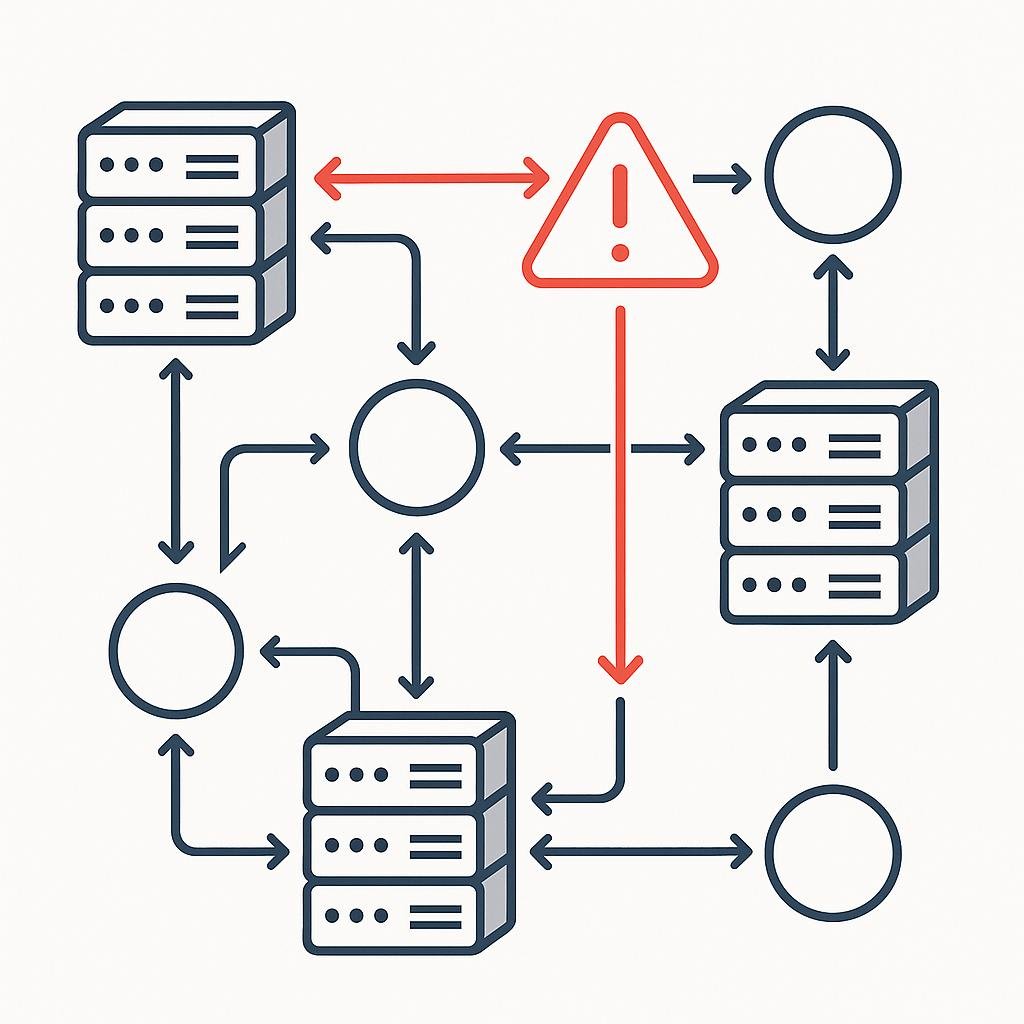
Distributed systems are like the backbone of our digital world, but what happens when something goes wrong? Understanding how to handle failures gracefully in distributed systems can be the difference between a minor hiccup and a catastrophic meltdown.
What Is a Distributed System?
In essence, a distributed system is a collection of independent computers that appear to the user as a single coherent system. These systems share resources and work together to achieve a common goal, often involving tasks such as processing large datasets, managing databases, or supporting cloud-based applications. The beauty of distributed systems lies in their ability to scale horizontally, offering enhanced performance, reliability, and availability compared to a single system.
However, with these benefits come the challenges of complexity and the inevitability of failures. Nodes can go down, networks can become unreliable, and data can become inconsistent. Handling these failures gracefully is crucial to maintaining the integrity and functionality of distributed systems.
How It Works
Distributed systems rely on a variety of components to function properly. These include:
- Nodes: The individual machines that make up the system. Each node operates independently but communicates with others to perform tasks.
- Communication Network: The infrastructure that allows nodes to exchange data and messages. This network can be a major point of failure due to latency, packet loss, or complete disconnection.
- Data Storage: Distributed databases or file systems that store data across multiple nodes. Ensuring data consistency and reliability in the presence of failures is a significant challenge.
- Coordination Mechanisms: Protocols and algorithms that manage how nodes interact, share data, and maintain system state.
Understanding these components is essential for diagnosing and handling failures. Let’s delve into practical strategies to manage these failures effectively.
Strategies for Handling Failures Gracefully
Handling failures in distributed systems requires a multifaceted approach. Here are some strategies to consider:
1. Implement Redundancy
Redundancy is a fundamental principle in distributed systems to ensure high availability. By having multiple copies of data or services across different nodes, the system can continue to operate even if one or more nodes fail.
- Data Replication: Store multiple copies of data across different nodes. This ensures that if one node fails, the data can still be accessed from another node. For example, Apache Cassandra is a distributed database that automatically replicates data across nodes.
- Service Replication: Deploy multiple instances of services to handle requests. Load balancers can distribute incoming requests among these instances, ensuring that the failure of a single instance doesn’t disrupt service availability.
2. Use Fault-Tolerant Protocols
Fault-tolerant protocols are designed to ensure that distributed systems can continue to function even when some components fail. These protocols often involve consensus algorithms, such as Raft or Paxos, which help maintain consistency and reliability.
- Consensus Algorithms: These algorithms help nodes agree on a single data value or system state, even in the presence of failures. For example, the Raft algorithm is used in systems like etcd and Consul to manage distributed configuration and service discovery.
- Failover Mechanisms: Automatically switch to a backup system or node when a failure is detected. This can include using a backup database server or routing traffic to a healthy service instance.
3. Implement Monitoring and Alerting
Effective monitoring and alerting are crucial for early detection and resolution of failures. By continuously tracking system performance and health, you can identify issues before they escalate.
- Logging: Implement comprehensive logging to capture detailed information about system operations and failures. Tools like ELK Stack (Elasticsearch, Logstash, Kibana) provide a powerful platform for collecting and analyzing logs.
- Monitoring Tools: Use tools like Prometheus, Grafana, or Nagios to monitor system metrics and set up alerts for abnormal conditions. These tools can notify you of potential issues such as high latency, node failures, or resource exhaustion.
- Automated Alerts: Set up automated alerts to notify your team via email, SMS, or messaging apps like Slack when specific thresholds are breached. This ensures timely intervention to address failures.
4. Design for Graceful Degradation
Graceful degradation is the ability of a system to continue operating in a reduced capacity when some parts fail. This ensures that core functionalities remain available while non-essential features are temporarily disabled.
- Feature Toggles: Use feature toggles to enable or disable specific functionalities dynamically. This allows you to turn off non-critical features during high load or when certain components are failing.
- Fallback Mechanisms: Implement fallback mechanisms that provide alternative options when a primary system component fails. For example, if a primary database is unreachable, switch to a read-only replica or cached data.
- Service Isolation: Design services to be loosely coupled, so the failure of one service doesn’t cascade to others. Use circuit breakers to prevent failed services from overwhelming the entire system.
Common Mistakes to Avoid
While implementing strategies to handle failures, it’s crucial to avoid common pitfalls that can undermine your efforts:
- Ignoring Failure Scenarios: Failing to anticipate potential failures can leave systems vulnerable. Regularly conduct failure scenario analysis to identify and address weaknesses.
- Overcomplicating Solutions: Complexity can introduce new failure points. Aim for simplicity in your design and implementation, focusing on the most critical aspects of failure handling.
- Neglecting Security: Security breaches can lead to system failures. Ensure that your failure handling mechanisms include robust security measures to protect against attacks.
- Lack of Testing: Failure handling mechanisms must be thoroughly tested under realistic conditions. Use chaos engineering techniques to simulate failures and validate your system’s resilience.
Real-World Examples
Let’s explore some real-world examples of how companies have successfully handled failures in distributed systems:
- Netflix: Netflix is renowned for its chaos engineering practices, where they intentionally introduce failures to test their system’s resilience. Their Simian Army suite, including Chaos Monkey, randomly disables production instances to ensure that their services can withstand failures.
- Amazon Web Services (AWS): AWS employs multiple strategies for handling failures, such as data replication across regions and availability zones. Their extensive use of automation and monitoring tools helps them maintain high availability and reliability.
- Google: Google’s Spanner, a globally distributed database, uses the Paxos consensus algorithm to ensure consistency and fault tolerance across data centers. This enables Google to provide highly reliable services even when individual components fail.
Final Thoughts
Handling failures gracefully in distributed systems is a complex but essential task. By implementing redundancy, using fault-tolerant protocols, monitoring system health, and designing for graceful degradation, you can build resilient systems that withstand unexpected failures. Remember, it’s not just about preventing failures but also about preparing for them and ensuring your system can recover quickly. With careful planning and continuous improvement, you can transform potential disasters into opportunities for learning and growth. Keep experimenting, testing, and refining your strategies to stay ahead in the ever-evolving landscape of distributed systems.