
Introduction:
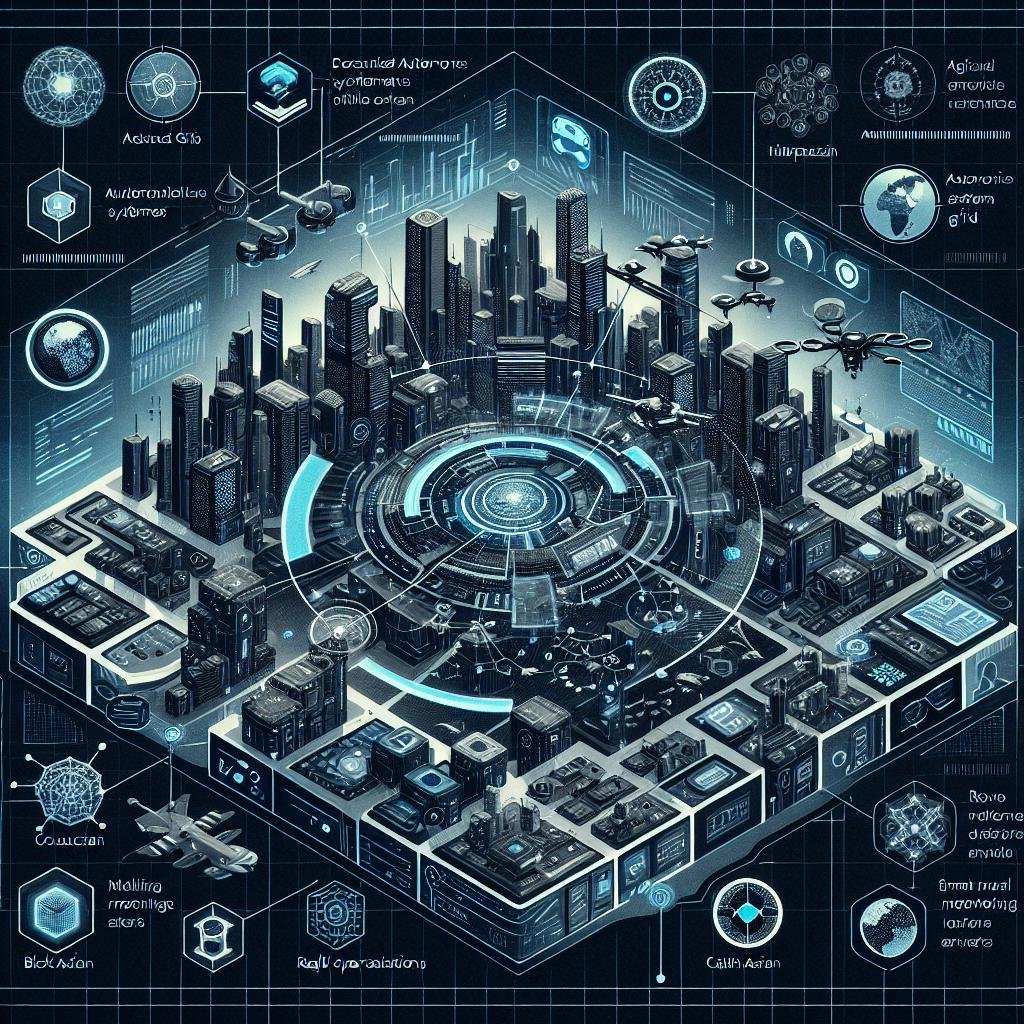
The evolution of systemic complexity in infrastructure networks has emphasized the need for robust, scalable, and adaptive design frameworks. Decentralized Autonomous Systems (DAS) offer pioneering pathways to enhance multi-agent coordination, bolster resilience, and facilitate self-sustaining operability within critical infrastructure such as electrical grids, transportation systems, and water distribution networks. This research delves into the architectural paradigms of DAS, examining the confluence of control theory, machine learning, and networked systems to address the emergent challenges of infrastructure dynamics in the modern world.
Technical Analysis:
Central to the efficacy of DAS is the integration of distributed control algorithms that empower individual agents to operate based on local information and interactions. This paradigm shift from centralized to decentralized control mitigates vulnerabilities associated with single-point failures and enhances system robustness against unpredictable perturbations. Through reinforcement learning, agents are trained to optimize decision-making processes, learning from both immediate feedback and long-term outcomes. Multi-agent systems within DAS are further augmented by real-time data analytics capabilities, which allow for continuous monitoring and adaptive reconfiguration of task allocations. By examining case studies in smart grid applications, empirical data suggests significant improvements in fault tolerance and energy efficiency, heralded by the synergistic interplay between autonomous agents and advanced sensing technologies.
Future Implications:
The integration of DAS in infrastructure systems is poised to redefine the foundational paradigms of systems engineering, presenting a future where infrastructure networks demonstrate an unprecedented degree of resilience and flexibility. The potential for these systems to self-heal, adapt to dynamic demands, and maintain operational continuity under stress conditions will redefine standard operational protocols. Future research endeavors must focus on developing enhanced synchronization mechanisms between agents, resolving issues related to cybersecurity threats, and ensuring scalability across different infrastructure scales. Ethical considerations and regulatory frameworks will also play a crucial role in guiding the deployment of such autonomous systems, ensuring they align with societal needs and values while fostering innovation in complex systems management.