
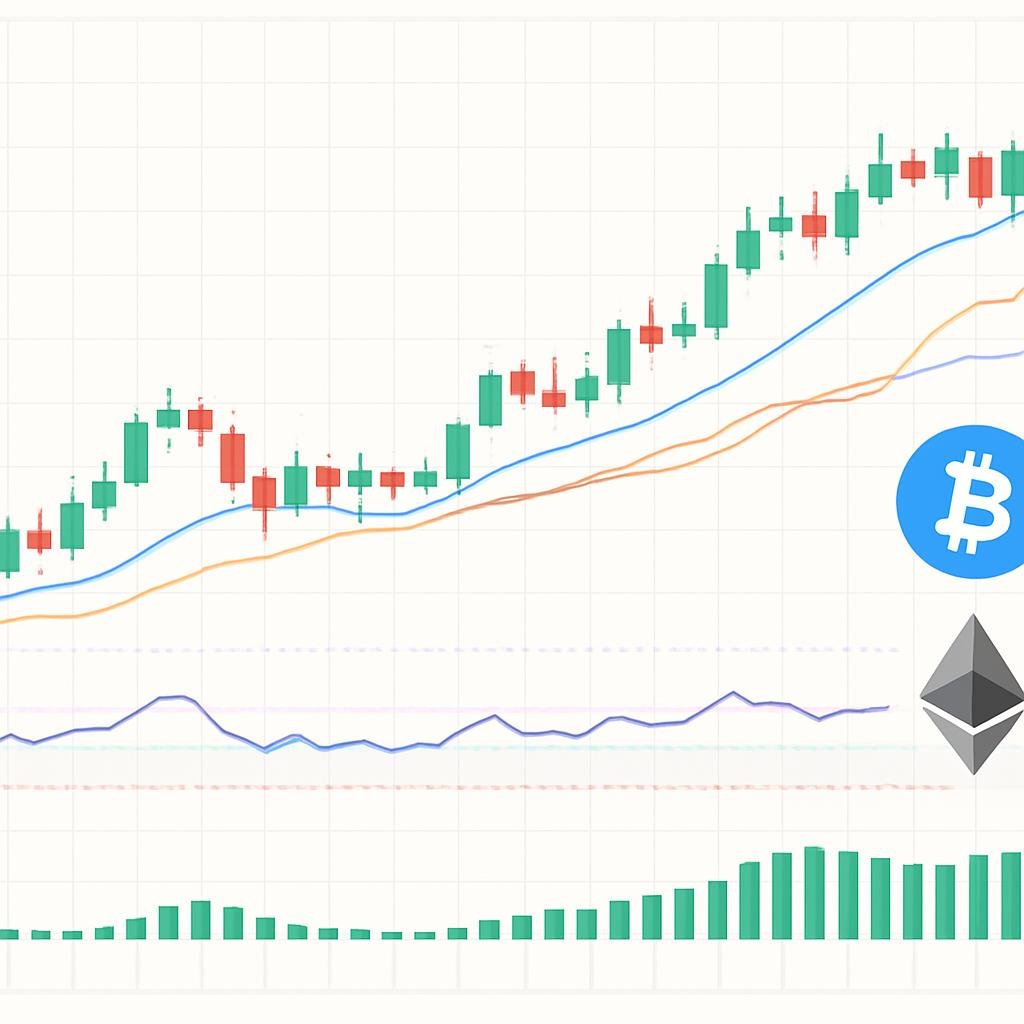
In the wild west of crypto trading, spotting a fake breakout can be the difference between hitting the jackpot and suffering a loss. With the rapid pace of digital currency markets, understanding how to identify these false signals is crucial for any trader looking to make a profit and safeguard their investments.
What Is a Fake Breakout?
A fake breakout occurs when the price of a cryptocurrency appears to move past a significant level of support or resistance, only to reverse direction almost immediately. Traders who fall for these traps can find themselves buying or selling at the worst possible time, often resulting in losses. Identifying these false signals is vital for maintaining a successful trading strategy.
How It Works
Breakouts are a common trading signal used to predict price movements. When an asset’s price breaks through a support or resistance level, it usually indicates a continuation of the current trend. However, fake breakouts can occur due to a variety of factors, including:
- Market Manipulation: Larger players (often called “whales”) can manipulate prices to trigger stop-loss orders and create artificial market movements.
- Low Volume: Breakouts on low volume can be unreliable, as they may not be supported by enough trading activity to sustain the move.
- News Events: Sudden news can cause temporary spikes that lead to fake breakouts.
- Psychological Levels: Prices often react at round numbers or key psychological levels, which can create false signals.
Step-by-Step Guide to Detecting Fake Breakouts
To effectively detect fake breakouts in the crypto markets, traders should adopt a multi-step approach that combines technical analysis with market awareness. Here’s how you can do it:
1. Use Volume as a Confirmation Tool
Volume is a powerful indicator of a true breakout. A genuine breakout is usually accompanied by a significant increase in trading volume. Here’s what you should look for:
- Compare the breakout volume to the average volume over a set period. If the volume is substantially higher, the breakout is more likely to be genuine.
- Look for sustained volume increase over several periods, not just a single spike.
2. Analyze Time Frames
Different time frames can tell different stories. A breakout on a shorter time frame might not hold up when viewed on a longer frame. Here’s how to use time frames effectively:
- Check multiple time frames to see if the breakout holds up. A breakout on a 5-minute chart might be insignificant if it doesn’t appear on the daily chart.
- Use longer time frames (e.g., daily or weekly) for confirmation of a breakout observed on shorter time frames (e.g., hourly).
3. Watch for Retests
After a breakout, the price often returns to the breakout level to test it as a new support or resistance. This retest can help confirm the breakout:
- If the price holds and bounces off the breakout level, it’s more likely to be a genuine breakout.
- If the price falls back through the breakout level, it’s more likely to be a fake breakout.
4. Be Cautious of News-Driven Moves
News can cause temporary spikes that lead to fake breakouts. Here’s how to manage news-driven market movements:
- Stay informed about upcoming news events that could impact the market. Use economic calendars and news alerts.
- If a breakout occurs around a major news event, wait for the market to settle before taking action.
Common Mistakes to Avoid
Even experienced traders can fall for fake breakouts if they’re not careful. Here are some common pitfalls to avoid:
- Ignoring Volume: Failing to consider trading volume can lead to misjudging the strength of a breakout.
- Over-leveraging: Using too much leverage can amplify losses from fake breakouts.
- Reacting to One Time Frame: Making decisions based on a single time frame can lead to false conclusions.
- Emotional Trading: Letting emotions drive decisions instead of analysis can result in falling for fake breakouts.
Real-World Examples
To illustrate the concept of fake breakouts, let’s look at a couple of real-world scenarios:
Example 1: Bitcoin Fake Breakout
In early 2021, Bitcoin experienced a dramatic rise, reaching new all-time highs. However, shortly after breaking the $60,000 resistance level, the price fell back below it. Traders who bought during the breakout without waiting for confirmation were caught in a fake breakout trap, as the price retraced significantly.
Example 2: Ethereum Volume Confirmation
During a mid-2021 rally, Ethereum broke out from a consolidation phase. The breakout was accompanied by a substantial increase in volume, confirming the move. Traders who recognized the volume confirmation were able to capitalize on the genuine breakout, riding the trend upwards.
Final Thoughts
Detecting fake breakouts in the crypto markets is both an art and a science. By combining technical indicators like volume with an understanding of market dynamics and time frames, traders can improve their chances of identifying genuine breakouts. Staying informed, using a disciplined approach, and learning from real-world examples can help you navigate the volatile world of crypto trading with greater confidence and success. Remember, patience and diligence are your best allies when it comes to making informed trading decisions.