
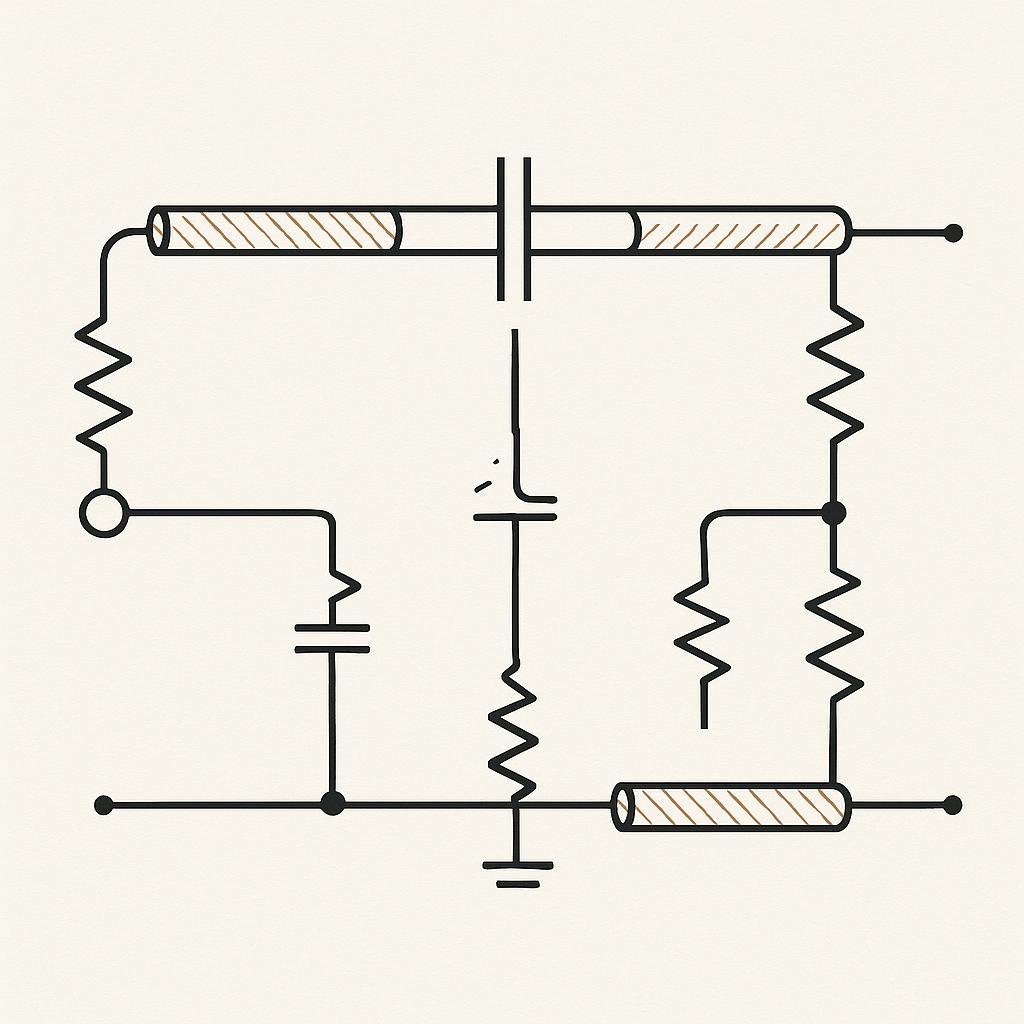
Imagine designing a top-notch sound system, only to realize that the audio output is muffled or distorted. This frustrating scenario often boils down to a concept known as impedance matching. For engineers, impedance matching is not just a technical detail—it’s a critical aspect of optimizing system performance and ensuring that everything works seamlessly together.
What Is Impedance Matching?
Impedance matching refers to the practice of making the impedance of a source equal to the impedance of its load to ensure maximum power transfer or to minimize signal reflection. In simpler terms, it’s about ensuring that the output impedance of a device (like an amplifier) matches the input impedance of the next device in the chain (like a speaker).
Why is this so crucial? When impedances are mismatched, part of the signal is reflected back to the source instead of being fully transferred to the load. This can lead to losses in power, reduced efficiency, and degraded performance. In the world of electronics, where efficiency and clarity are paramount, such losses are unacceptable.
How It Works
To understand impedance matching, consider the analogy of plumbing. Imagine water flowing through a pipe; if the pipe suddenly changes size, the flow is disrupted, causing turbulence and reducing the water pressure. Similarly, in electrical systems, if the impedance suddenly changes, it disrupts the signal flow.
- Maximizing Power Transfer: One of the primary goals of impedance matching is to maximize power transfer between components. This is particularly important in audio systems, radio frequency (RF) circuits, and any system where signal integrity is paramount.
- Minimizing Signal Reflection: Especially in high-frequency applications like RF communication, impedance mismatches can lead to signal reflection, which can distort the transmitted signal and introduce noise.
- Ensuring Stability: Proper impedance matching can also contribute to the stability of the system by reducing the risk of oscillations or other performance issues.
Step-by-Step Guide to Impedance Matching
Achieving proper impedance matching can seem daunting, but it’s manageable with a systematic approach. Here’s a step-by-step guide to help you get started:
- Identify the Impedance: Start by identifying the output impedance of your source and the input impedance of your load. This information is usually available in the device’s datasheet.
- Choose the Right Components: Use components like resistors, capacitors, and inductors to adjust the impedance of your circuit. For RF applications, you might use transmission lines or transformers.
- Measure and Adjust: Use a network analyzer or an impedance bridge to measure the impedance of your circuit. Make adjustments as necessary to achieve the desired match.
- Test Your System: After making your adjustments, test the performance of your system. Check for improvements in power transfer efficiency and signal quality.
Common Mistakes to Avoid
Even seasoned engineers can fall into common pitfalls when dealing with impedance matching. Here’s what to watch out for:
- Ignoring the Frequency Component: Impedance is frequency-dependent. Ensure that your match is correct across the entire frequency range of interest.
- Overlooking Parasitic Elements: Real-world components have parasitic inductance and capacitance that can affect impedance. Take these into account in your design.
- Neglecting Cable Effects: In RF systems, the cables themselves can introduce impedance mismatches. Use quality cables designed for the specific frequencies you’re working with.
- Improper Component Selection: Using the wrong type or value of component can lead to suboptimal performance. Always double-check your component choices.
Real-World Examples
To bring this concept to life, let’s explore some real-world examples where impedance matching plays a crucial role:
- Audio Systems: In high-end audio systems, matching the impedance of speakers and amplifiers is crucial for delivering crisp, clear sound. Mismatches can result in poor sound quality and reduced speaker lifespan.
- RF Communication: In wireless communication devices, such as smartphones and radios, impedance matching ensures that the maximum signal is transmitted and received, improving the clarity and range of communication.
- Television Broadcasting: TV antennas must match the impedance of the transmission line to ensure that the signal is efficiently transferred from the airwaves into your television set.
- Medical Devices: In medical imaging equipment, like MRI machines, impedance matching is crucial to ensure the accuracy and quality of diagnostic images.
Final Thoughts
Impedance matching is a cornerstone of electronic design that ensures systems perform optimally by maximizing power transfer and minimizing signal reflections. Whether you’re working on a sophisticated RF communication system or a simple audio setup, understanding and implementing impedance matching can make a significant difference in performance and efficiency. By following best practices, avoiding common pitfalls, and learning from real-world applications, you can harness the power of impedance matching to enhance your engineering projects.
As technology continues to advance, the importance of impedance matching will only grow, making it an essential skill for engineers and designers across various fields. Embracing this fundamental concept will not only improve your designs but also set the stage for innovation and excellence in your engineering endeavors.