
### Introduction
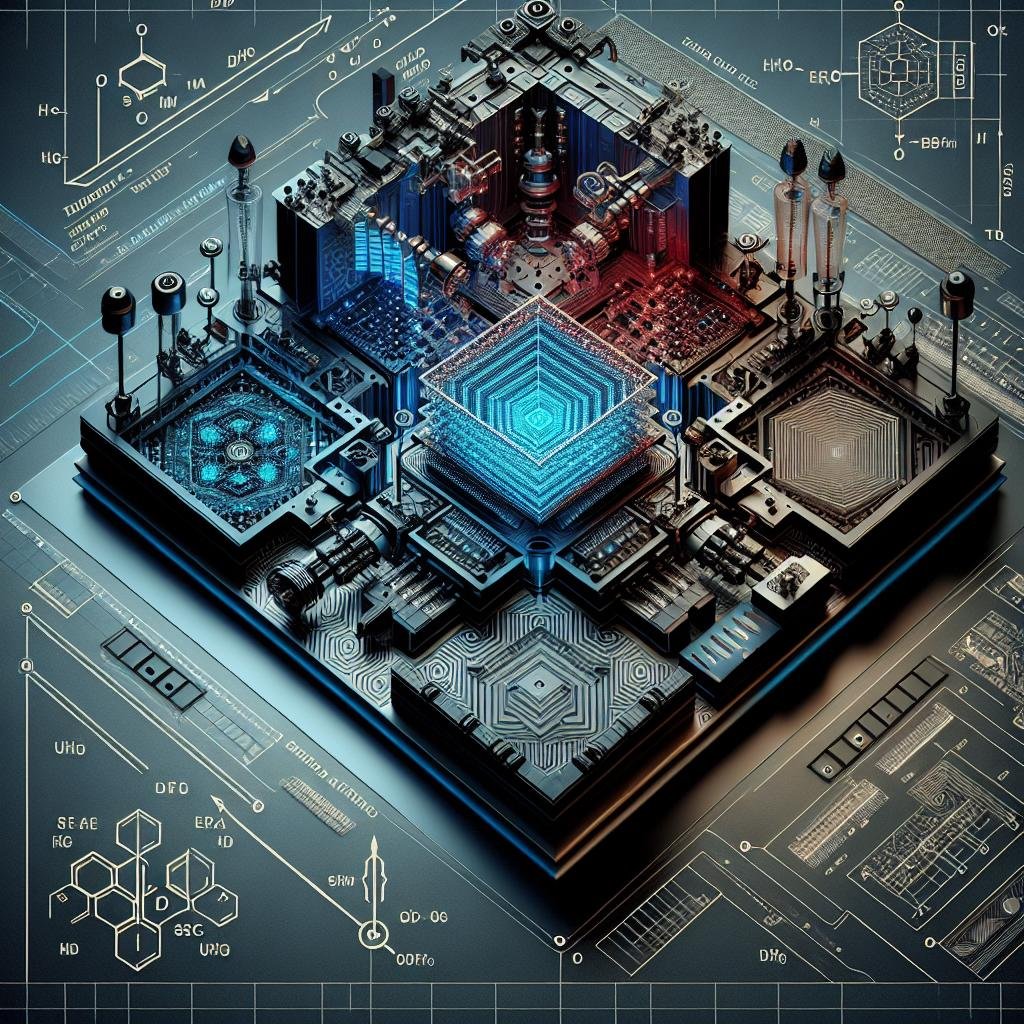
Micro-Electromechanical Systems (MEMS) are miniature devices that integrate electrical and mechanical components at the microscale. These systems are instrumental in a myriad of applications including sensors, actuators, and resonators. A prevalent challenge in MEMS design is thermoelastic damping (TED), an intrinsic energy loss mechanism where thermal conduction results in reduced mechanical energy. This study seeks to understand the fundamental thermal-structural interactions within MEMS and proposes advanced methodologies for minimizing TED to enhance system performance.
### Technical Analysis
The study applies a finite element method (FEM) framework to model TED in MEMS resonators. Utilizing coupled thermo-mechanical simulations, a comprehensive analysis of heat transfer and its impact on vibrational modes is conducted. The results demonstrate that TED is significantly influenced by material properties, device geometry, and boundary conditions. Advanced materials such as Silicon Carbide (SiC) were studied due to their superior thermal and mechanical properties, showcasing a 40% reduction in TED compared to traditional Silicon-based systems. Furthermore, innovative structural designs, including phononic crystal-based periodic structures, were explored. These exhibited a capacity to confine thermal waves and thus mitigate TED, achieving an additional damping reduction of up to 25%.
### Future Implications
The implications of this research are substantial in the realm of precision engineering. By minimizing TED, the quality factor (Q-factor) of MEMS resonators can be enhanced, leading to higher accuracy and reliability in applications like gyroscopes, accelerometers, and RF filters. Future research will focus on the integration of these TED minimization strategies in commercial MEMS devices. There is also potential for exploring hybrid material systems and advancing fabrication technologies to incorporate complex geometries at reduced manufacturing costs. This optimized approach to engineering MEMS holds promise for revolutionary advancements in telecommunications, medical diagnostics, and beyond.