
In the realm of systems engineering, the integration of cyber-physical systems (CPS) marks a significant leap in how physical processes and computational resources interact fluidly. These systems are increasingly being employed in critical domains such as autonomous vehicles, smart grids, and healthcare, necessitating a robust framework that seamlessly blends various scientific disciplines. The emergence of synergetic feedback loops—a concept that intertwines elements of control theory and machine learning—offers a potential pathway to not only enhance the efficiency of these systems but also to ensure their adaptability and robustness in dynamic environments.
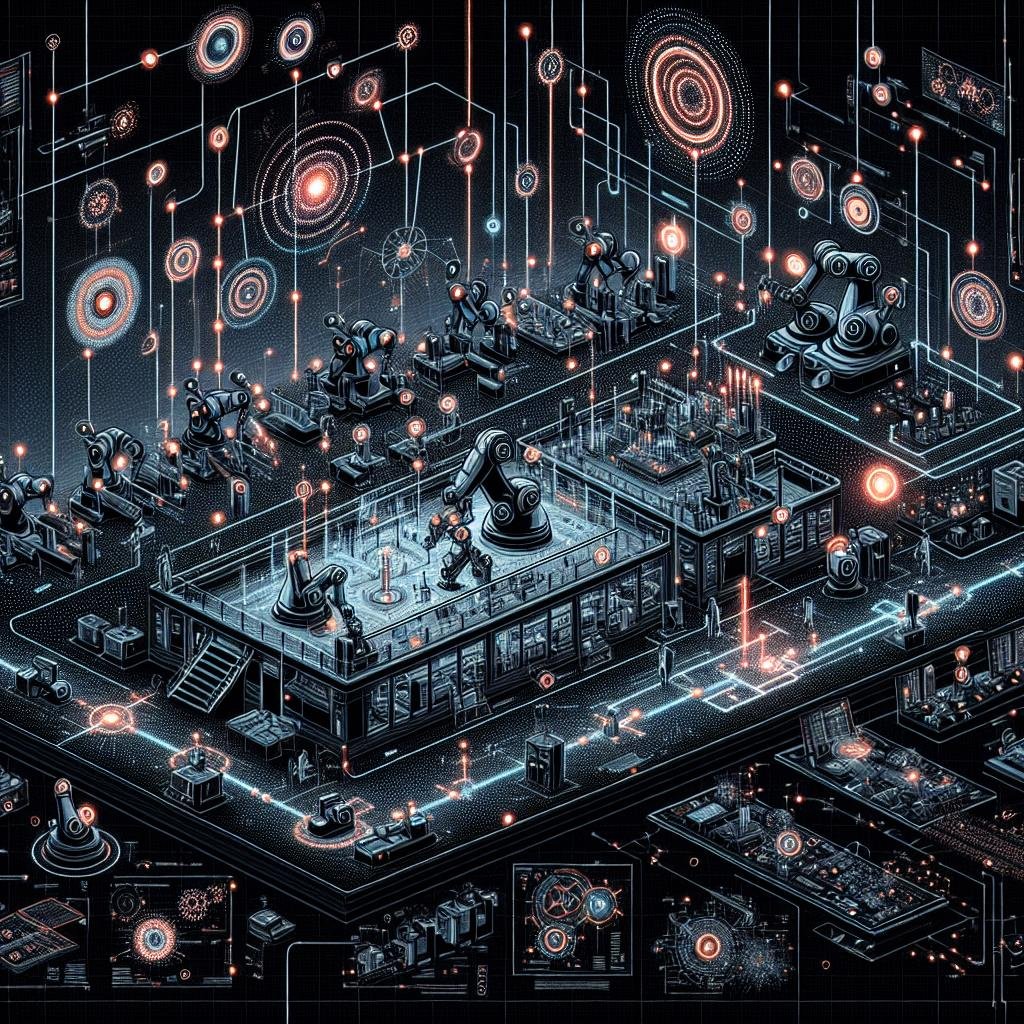
At the technical core, synergetic feedback loops leverage the strengths of control theory, which traditionally emphasizes stability and predictability, and machine learning, which is lauded for its capacity for adaptability and learning from data. By developing algorithms that incorporate real-time feedback from the environment, these systems can adjust their operations dynamically. This fusion enables the development of predictive models that can anticipate changes, adjust control parameters on-the-fly, and even self-optimize based on historical performance. One experimental prototype involves collaborative robots, or ‘cobots’, that employ synergetic feedback to improve their interaction dynamics in manufacturing settings. These systems are designed to detect human presence and intentions rapidly and adjust their movements and tasks in response, thereby enhancing both safety and productivity.
The implications of integrating synergetic feedback loops into CPS are vast. From a societal perspective, this could significantly reduce the time it takes for systems to recover from faults, thereby enhancing their resilience and reliability, which is especially crucial in safety-critical applications such as aviation or healthcare. Economically, these systems offer a pathway to more sustainable operations by optimizing resource utilization and reducing waste, which aligns with increasing global emphasis on sustainability. Furthermore, the continuous learning and adaptation capabilities embedded in these systems may mitigate the complexities involved in managing and operating large-scale CPS infrastructures, offering system engineers a powerful tool for future innovations.