
What is Impedance Matching and Why Engineers Care About It
Discover why impedance matching is crucial for engineers in optimizing electronic circuit performance and efficiency.
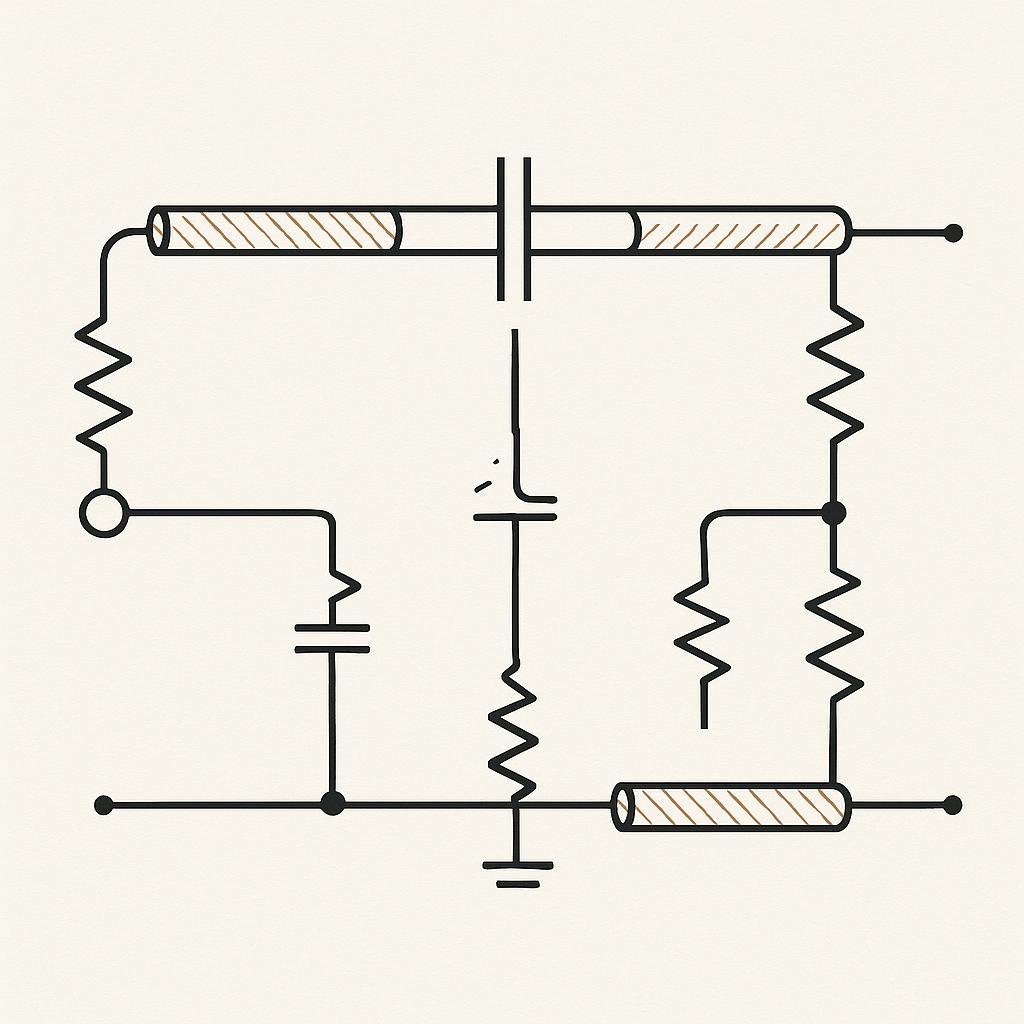
Discover why impedance matching is crucial for engineers in optimizing electronic circuit performance and efficiency.

Abstract The integration of advanced mathematical techniques in enhancing the efficiency of structural health monitoring systems has created profound opportunities for performance improvements within the engineering sector. This paper explores the mathematical framework underpinning the optimization of these systems, leveraging complex algorithms and numerical methods to predict system performance under varying conditions. This research provides
Abstract In the rapidly advancing field of engineering, there is a continual need for optimizing performance across various systems and processes. This paper explores the integration of advanced mathematical models in performance optimization, specifically focusing on the use of calculus of variations and partial differential equations in engineering applications. Through the development of a rigorous

Abstract In the rapidly evolving field of engineered materials, optimizing thermal performance is crucial for improving energy efficiency and sustainability. This paper presents a comprehensive mathematical framework that leverages advanced calculus and differential equation modeling to enhance thermal dynamics in innovative materials. The framework is assessed through a technical analysis of performance parameters, emphasizing practical

Abstract In the realm of engineering, performance optimization is crucial for the development of efficient and effective systems. This paper explores advanced mathematical techniques utilizing optimization frameworks to improve the efficiency of engineering systems. A particular focus will be given to nonlinear optimization methods, their mathematical underpinnings, and their practical applications. We propose a mathematical

Abstract This paper addresses the optimization of load distribution in high-performance structural systems through advanced mathematical modeling techniques. By leveraging computational algorithms and complex mathematical frameworks, this research explores novel approaches to enhance structural integrity while minimizing material usage and computational costs. We present a multivariate optimization model that integrates both tensile and compressive forces,
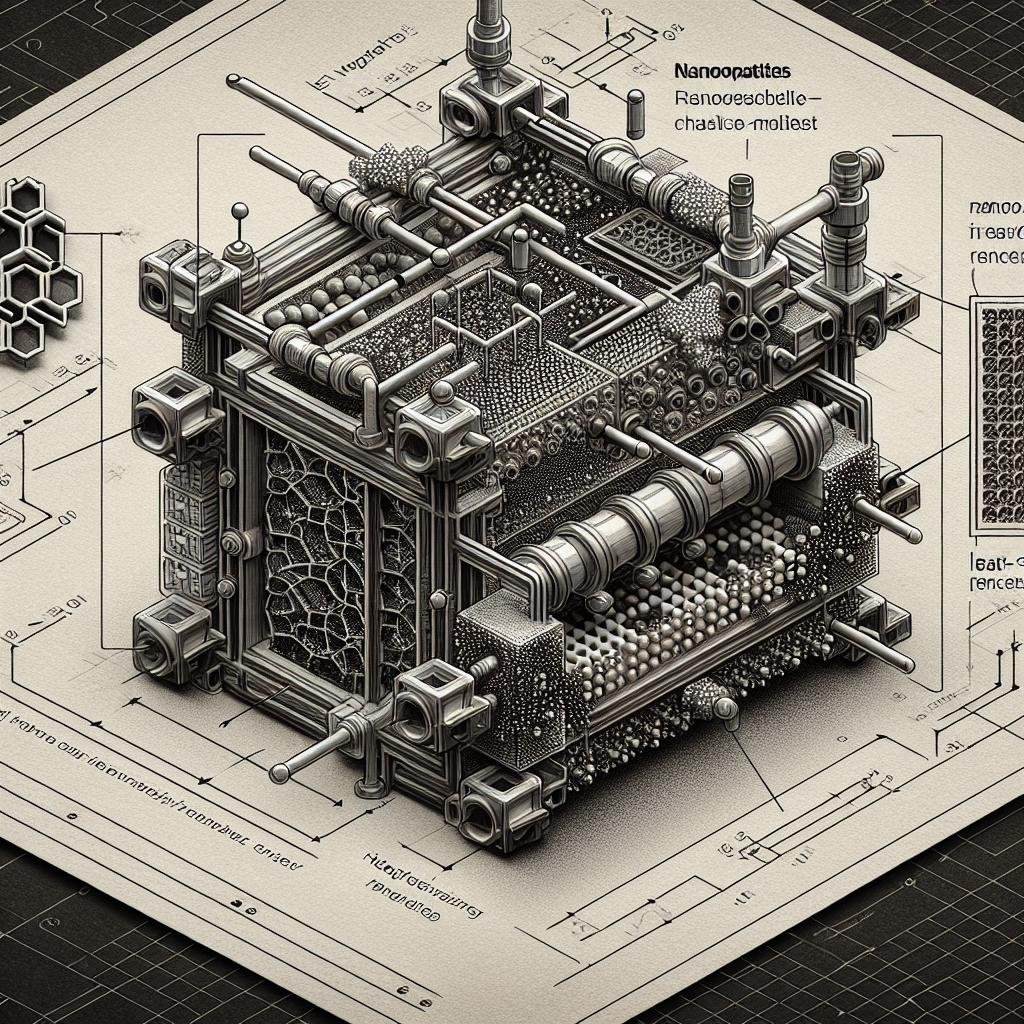
Abstract In the burgeoning field of nano-engineered materials, optimizing the thermal management systems of advanced industrial applications remains a critical challenge. The integration of nanomaterials into heat exchanger designs promises to revolutionize performance by enhancing thermodynamic efficiency. This research explores the synthesis and application of novel nanoparticle-infused nanocomposites to significantly improve heat transfer rates. We

### Introduction Micro-Electromechanical Systems (MEMS) are miniature devices that integrate electrical and mechanical components at the microscale. These systems are instrumental in a myriad of applications including sensors, actuators, and resonators. A prevalent challenge in MEMS design is thermoelastic damping (TED), an intrinsic energy loss mechanism where thermal conduction results in reduced mechanical energy. This

In recent years, the engineering industry has observed a significant shift towards utilizing advanced materials to address the longstanding issue of vibrational interference in structural applications. Metamaterials, artificially engineered structures with properties not found in naturally occurring substances, have emerged as frontrunners in optimizing material behavior under dynamic loads. By altering the microstructural geometry and